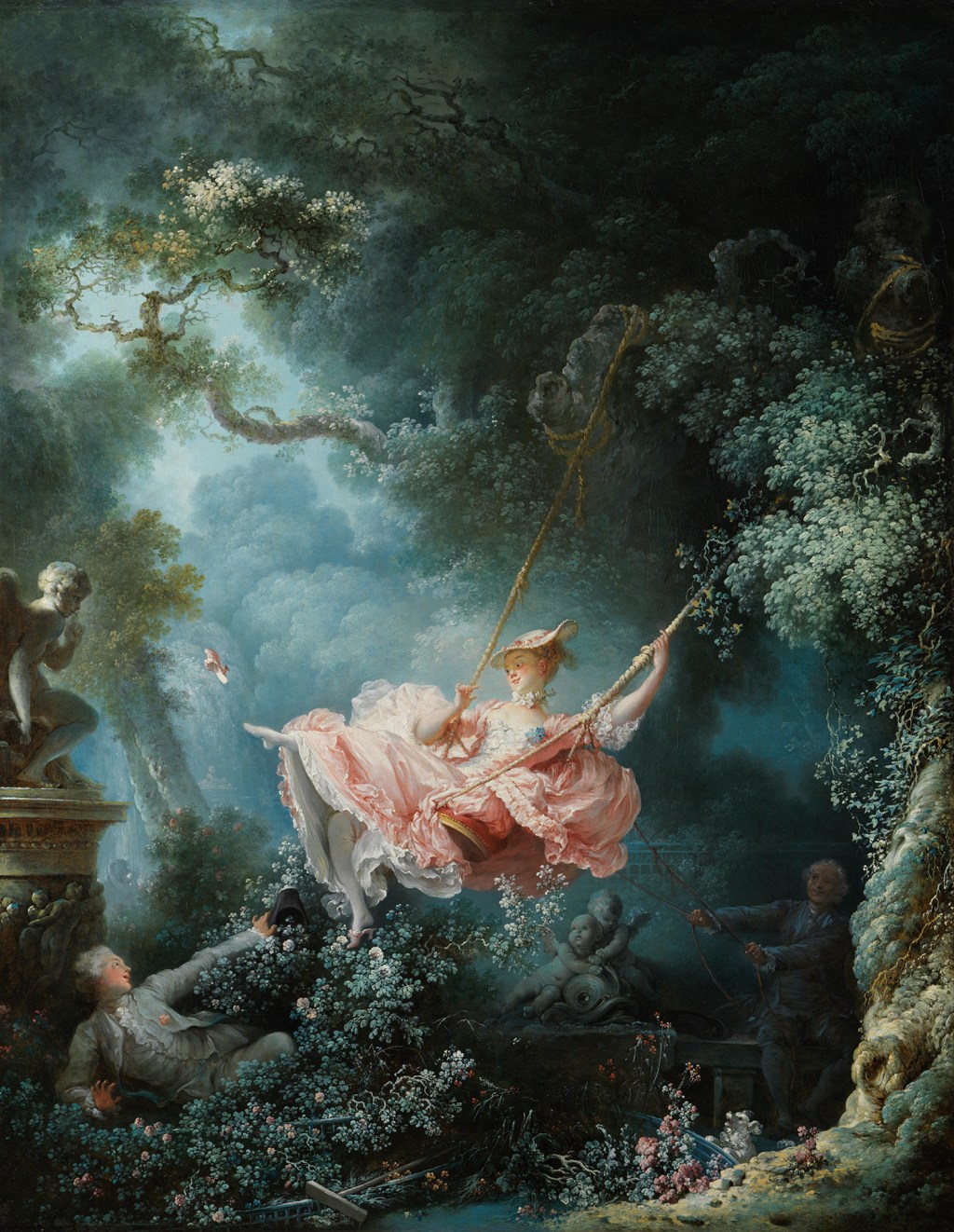
At Versailles, fragrance floated through the air like a second language—one spoken not with words, but with presence, proximity, and influence.
By the 17th century, France had become the undisputed center of perfumery. But this shift didn’t happen in merchants’ stalls or pharmacy basements—it took root in the very heart of political power: the royal court. In the age of Louis XIV, perfume was not a matter of private vanity. It defined status, diplomacy, and identity.
The king himself, known as the Sun King, was famously devoted to scent. His morning routine involved washing with aromatic waters, wearing scented gloves, and selecting specific fragrance blends created by court perfumers. He was even given the nickname le doux fleurant—“the sweetly scented one.”
For Louis, fragrance was an extension of image. A carefully chosen aroma conveyed vitality, divine favor, and a sense of refinement expected from the highest authority in the land.
But in truth, Versailles needed all the fragrance it could get.
Despite its grandeur, the palace was infamous for its poor hygiene. Bathing was rare, plumbing was limited, and perfumed powders became a necessity to mask the realities of court life. In such a climate, scent wasn’t merely decorative—it was defensive. The right perfume protected against unpleasant odors, but also against social ruin.
To smell right was to belong.
To misstep—even olfactorily—meant risking one’s place in the courtly hierarchy.
Perfume became etiquette. Courtiers commissioned custom scents to match their roles, moods, or political alliances. A blend of orange blossom and ambergris might signal favor. A heavy dose of musk could be read as ambition—or threat. Whispered rumors often clung to scents as much as they did to words.
Beyond the palace, this olfactory culture began to shape France’s economy.
The town of Grasse, originally known for tanning leather, transformed into a center for scented goods. Local craftsmen learned to mask the harsh odor of leather with floral infusions. Over time, Grasse evolved into the world’s most renowned perfume region, producing raw materials that supported a growing national industry.
The monarchy formalized fragrance production. Court perfumers were granted official titles, recipes were guarded like state secrets, and certain families became known across Europe for their mastery of scent. Perfume had entered the realm of power—tied to legislation, export trade, and national identity.
By the 18th century, figures like Madame de Pompadour and Marie Antoinette helped refine the art of perfumed self-presentation. Elaborate scent rituals became part of royal life and courtly seduction. Bottles were exchanged as gifts, scents used to negotiate loyalty, and compositions commissioned to reflect personality or politics.
But this golden age of royal fragrance would soon give way to revolution—and reinvention.
As powdered wigs fell and thrones were overturned, the world of scent shifted once more.
And in the embers of empire, a new figure rose—one who wielded perfume not for elegance, but for legacy.
Napoleon Bonaparte’s obsession with fragrance went far beyond personal taste. For him, scent was ritual, power, and even legal territory.
→ Napoleon’s Cologne and the First Fragrance Trademark Wars
Coming Next in the Series
Next, we follow perfume through the Revolutionary era into the hands of an emperor. Learn how Napoleon’s legendary use of Eau de Cologne reshaped the perfume market—and how a battle over his name laid the foundation for modern trademark law in the fragrance world.
About This Series
Fragrance History: From Temples to Thrones is a journey through time, tracing the power of scent across cultures, empires, and ideologies. From sacred offerings to sovereign signatures, this series explores how fragrance became one of history’s most elegant instruments of influence.
 The Aromatic Journey
Leave a comment