The Aromatic Journey
"Just as a single trace of scent lingers in the air, we inherit nature's timeless secrets and the echoes of antiquity. Here at Wellnavia, the journey to discover beauty and scent begins. May every moment you find here inspire you."
recent posts
- The Scent of Conquest: How Cloves Became Currency and Control
- The Economics of Scent: Spice Routes, Perfumers, and the Politics of Fragrance
- 🌿 The Emperor’s Scent: Napoleon, Eau de Cologne, and the Birth of Perfume Branding
- Perfume and Power: The Fragrant Court of Versailles
- The Medici Scent Legacy: When a Queen Brought Perfume to France
Category: Exploring the Origins of Aromas
Journey through time with the scents that shaped civilizations.
Explore how ancient cultures—from Egypt to Rome—used natural aromas not only for beauty and ritual, but also for wellness and longevity. Each series unpacks the secrets of historical aromatherapy, sacred rituals, and anti-aging practices that continue to inspire us today.
-
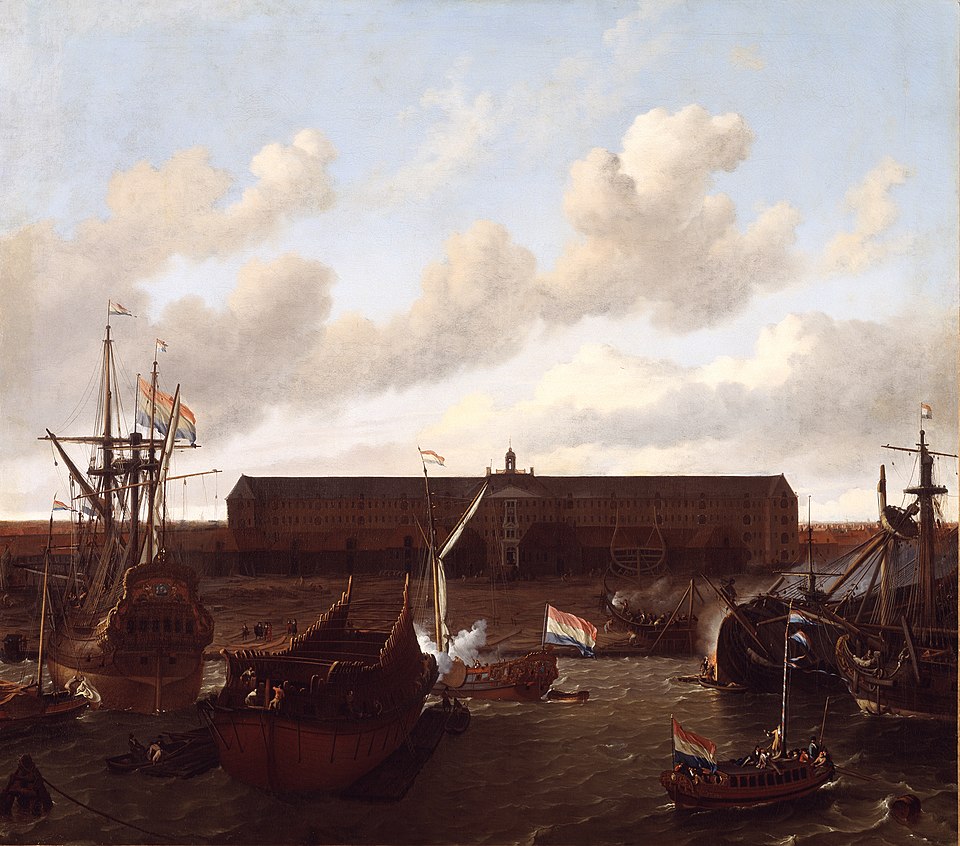
After Vasco da Gama opened the sea route to India in 1499, Europe began redrawing the map of fragrance—not with ink, but with sails and salt. Yet the real war of scent didn’t begin in India. It began thousands of miles farther east, across the equator, on a cluster of small, fertile islands now known…
-

In medieval Europe, few substances were more valuable than scent. Not merely for delight, fragrance was tied to medicine, spirituality, and social class. But behind every vial of rosewater or stick of incense lay a web of power—stretching across continents, involving merchants, monarchs, and emerging professionals known as perfumers. From the 12th to the 16th…
-
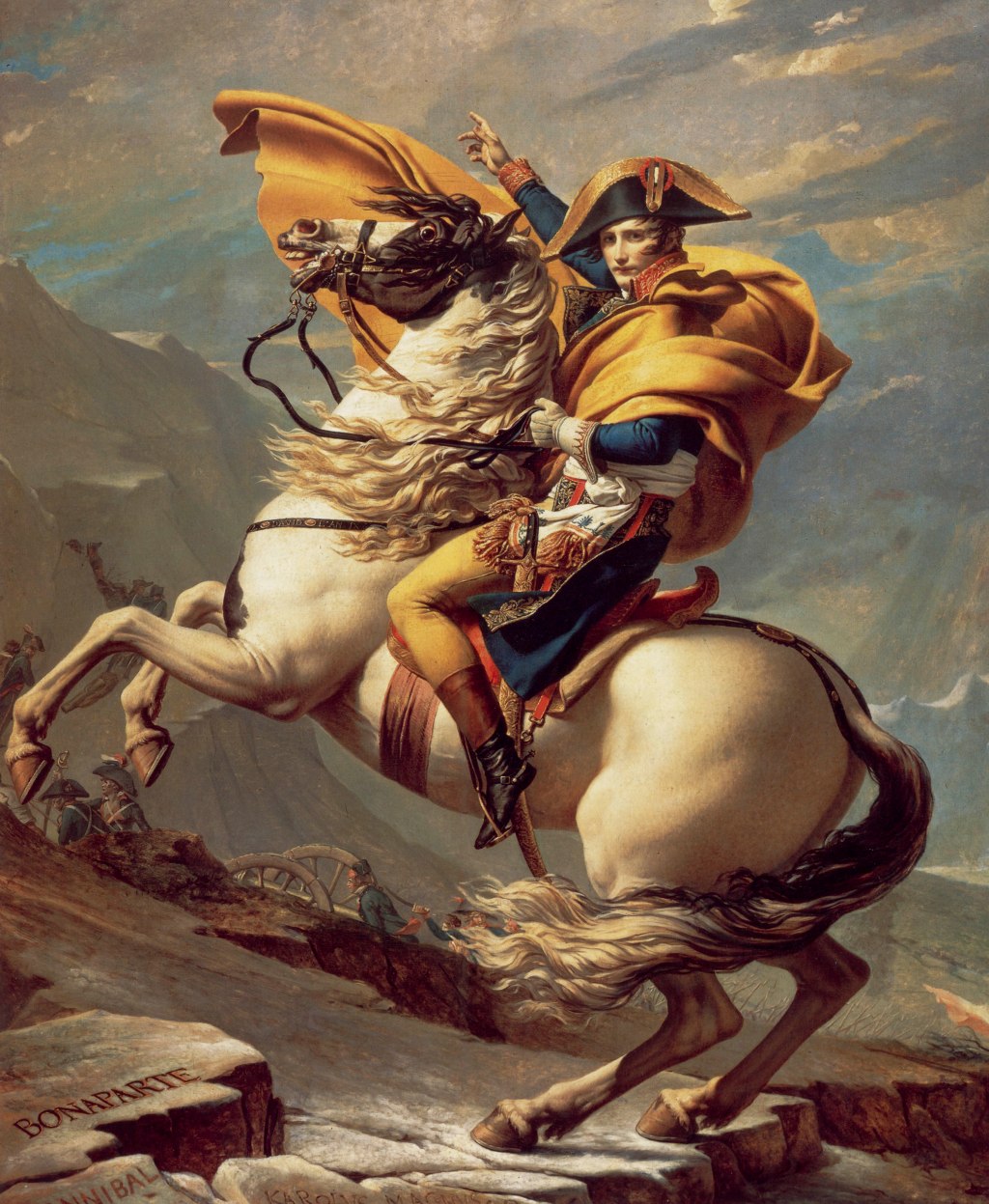
Eau de Cologne, born in 18th-century Cologne, found its way into the hands of French soldiers and onto the battlefield. Among its greatest admirers was Napoleon Bonaparte, who turned the scent into part of his legend. This chapter traces how fragrance, war, and branding intertwined to reshape the history of perfume and intellectual property.
-
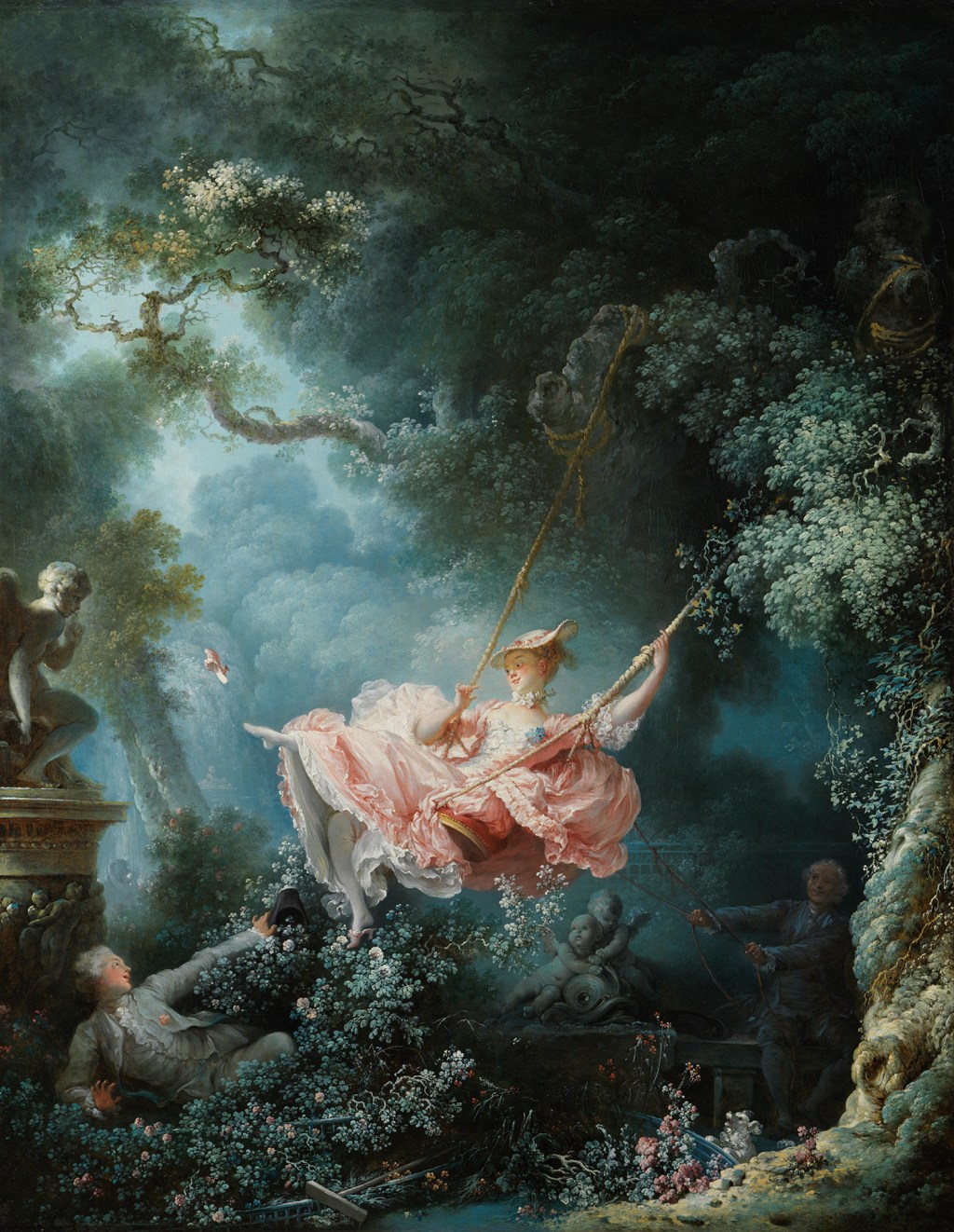
At the court of Versailles, fragrance shaped more than fashion—it defined power, etiquette, and identity. Louis XIV’s elaborate scent rituals and the perfumed expectations of courtiers turned aroma into a political tool. This chapter explores how perfume permeated the air of royal life, influenced social hierarchies, and laid the foundation for France’s global dominance in…
-
When Catherine de’ Medici left Florence to become Queen of France, she carried more than silk and diplomacy—she brought with her the essence of Italian perfumery. With her personal perfumer René le Florentin, she introduced a new aromatic culture to the French court, turning fragrance into a quiet force of influence, elegance, and control. This…
-

As the Renaissance flourished in Italy, the forgotten language of scent returned with new meaning. Perfume became more than a mask for odor—it evolved into a symbol of beauty, intellect, and political power. In cities like Florence and Venice, perfumers blended art and alchemy, transforming rare botanicals into olfactory expressions of class and identity. This…
-
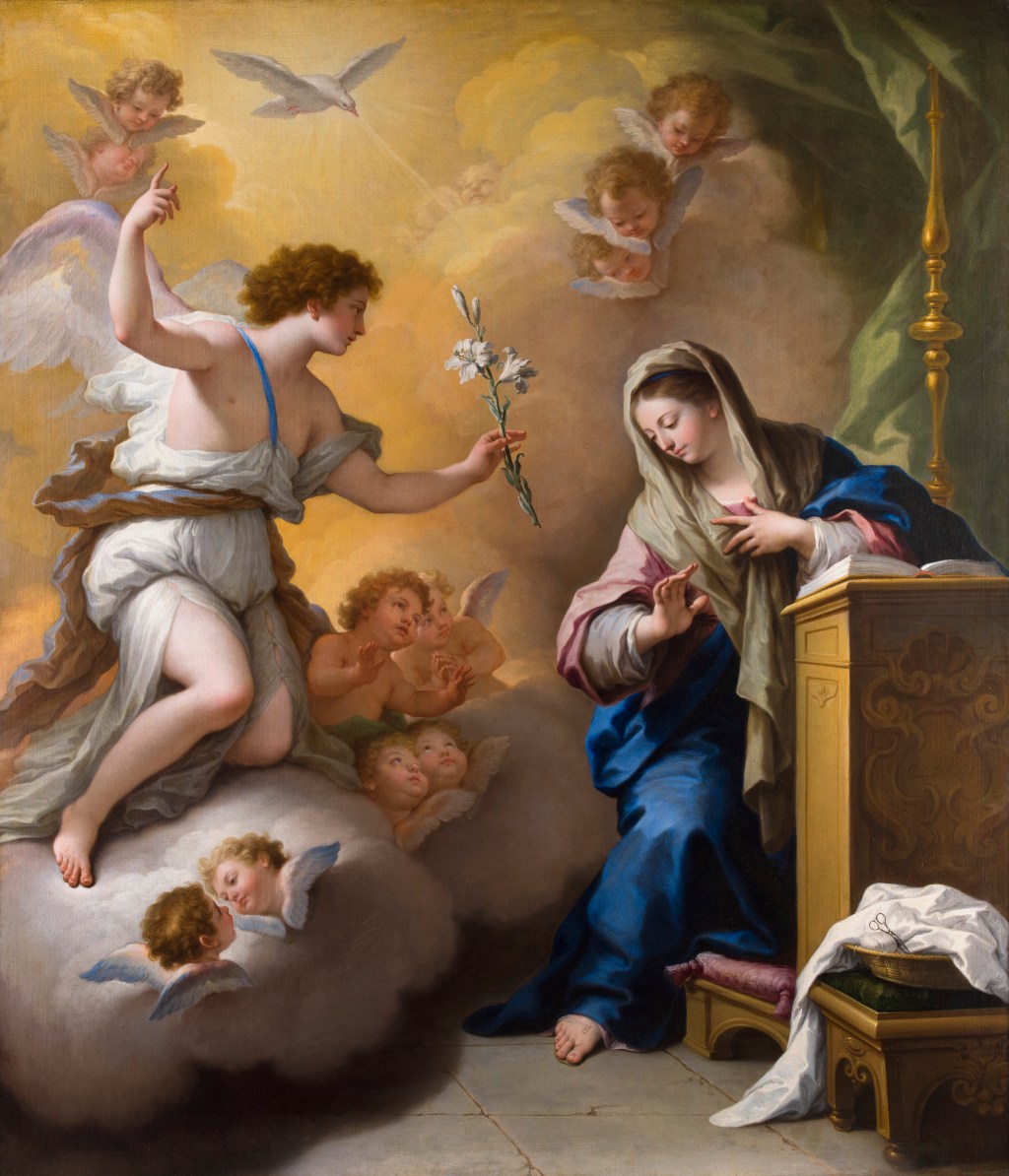
Before fragrance became fashion, it was a sacred tool—used in rituals, healing, and even survival. In this first chapter of Fragrance History: From Temples to Thrones, we trace the earliest origins of perfume, from the smoke-filled temples of ancient Egypt to the plague-ridden streets of medieval Europe. Through forgotten monasteries, aromatic remedies, and the symbolic…
-
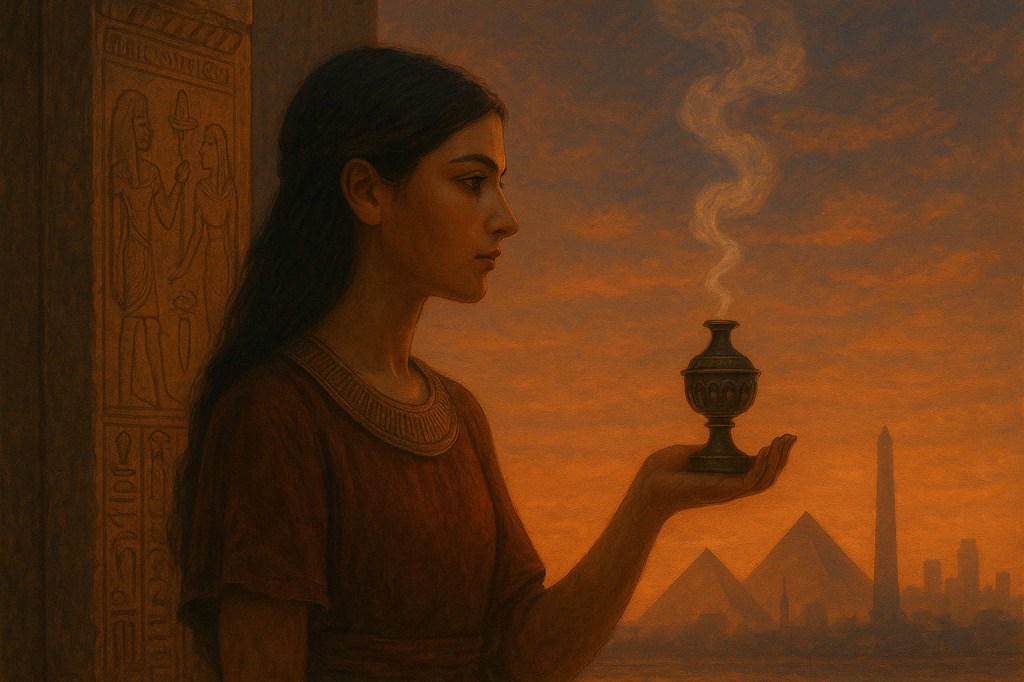
Discover how ancient fragrance traditions are inspiring the future. From sustainable perfumery to digital scent technology, explore the evolving meaning of scent in a modern world.
-
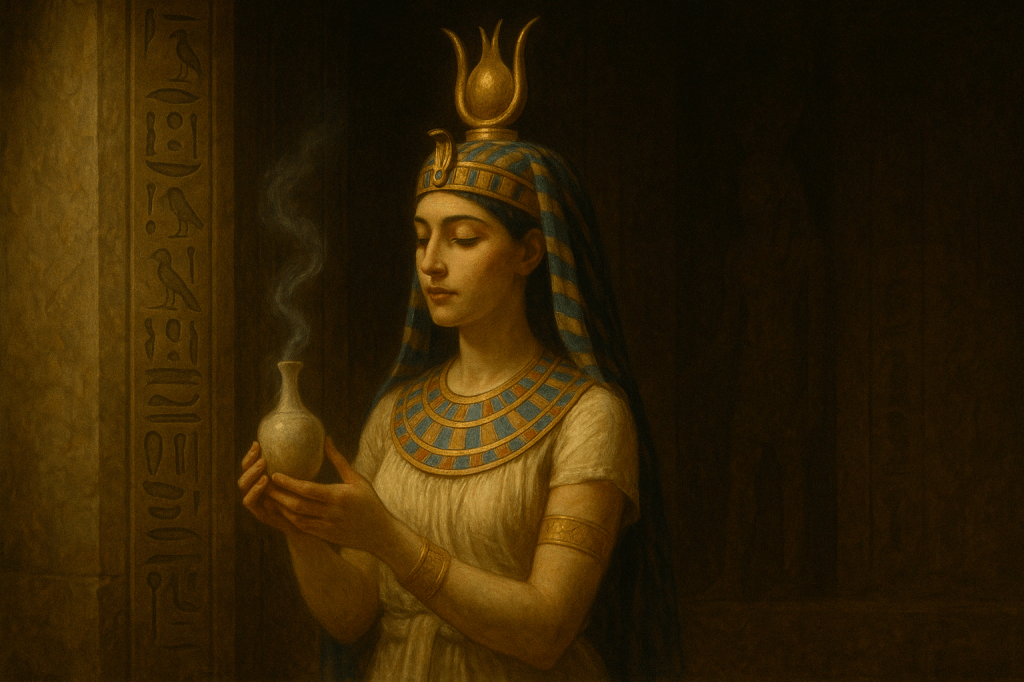
The Fragrance of Femininity: Scent, Status, and Sacred Power in Ancient Egypt
-

Discover the beauty and scent rituals of ancient Egypt. From perfumed oils and kohl eyeliner to sacred incense and skincare secrets, explore how fragrance shaped daily life in the Nile valley.
 The Aromatic Journey