• A Fragrant Empire

    Part 1 of the “Scent and the Roman Empire” Series

    Walk down a street in ancient Rome, and your senses would be overwhelmed—not just by the grandeur of marble columns or the rumble of chariot wheels, but by the invisible presence of scent. In the Roman world, fragrance was more than a luxury. It was an unspoken language of identity, class, politics, and divine connection.

    Romans made frequent use of perfumed oils, or unguenta. After bathing in the thermae, people—especially the elite—would anoint their bodies with aromatic oils infused with ingredients like myrrh, frankincense, rose, and cinnamon. These unguenta were not just about hygiene or beauty; they were a marker of status, a sensory display of one’s social rank. Women of high society would perfume not only their skin and hair, but even their curtains and bed linens with fragrant oils.

    Yet Rome was not the birthplace of this olfactory culture—it was its grandest consumer. The Roman Empire absorbed and reinterpreted fragrance traditions from the Egyptians, Persians, Greeks, and Arabian cultures. Rare aromatics and spices were imported through vast trade networks from Egypt, Arabia, and India, often arriving at the Roman port of Ostia via Alexandria. Some of these imported resins were valued more than gold.

    In Egypt, incense was seen as a sacred offering to the gods. Rome adopted this belief and incorporated incense rituals into its own religious ceremonies. In Roman temples, thuribula—bronze censers—were used to burn incense as part of sacrifices and rites. Fragrance also played a vital role in funeral practices, believed to purify and sanctify the deceased before their journey to the afterlife.

    While the Greeks saw fragrance as part of personal refinement and the Egyptians as a divine connection, the Romans transformed it into a symbol of power. Emperor Nero, infamous for his extravagance, reportedly burned an entire year’s worth of Rome’s incense reserves at the funeral of his wife, Poppaea. Historical sources claim the air was so thick with scent that it seemed the heavens themselves were perfumed.

    In Rome, fragrance was intangible yet omnipresent—woven into every layer of society, from temple altars to private baths. A single drop of perfumed oil could distinguish a patrician from a plebeian. A wisp of incense smoke could bridge the mortal and the divine. This was an empire scented not only with power, but with memory—a civilization remembered by its perfume.

    Coming Next: Fragrance and Power: The Political Scent of the Roman Elite

  • The Ocean’s Secret – Marine Botanicals and Minerals for Long-Term Skin Vitality

    Deep beneath the waves lies nature’s most powerful anti-aging laboratory.

    🌿 This post is part of the “Nature’s Timeless Secrets” anti-aging series.
    Episode 1: The Science of Aging and the Power of Botanicals
    Episode 2: The Power of Polyphenols – Nature’s Top Antioxidants for Youthful Skin
    Episode 3: Phytoestrogens and Skin – Nature’s Hormone Helpers for Firmness and Radiance
    Episode 4: Inflammaging & Turmeric – Calming Skin Aging from the Inside Out
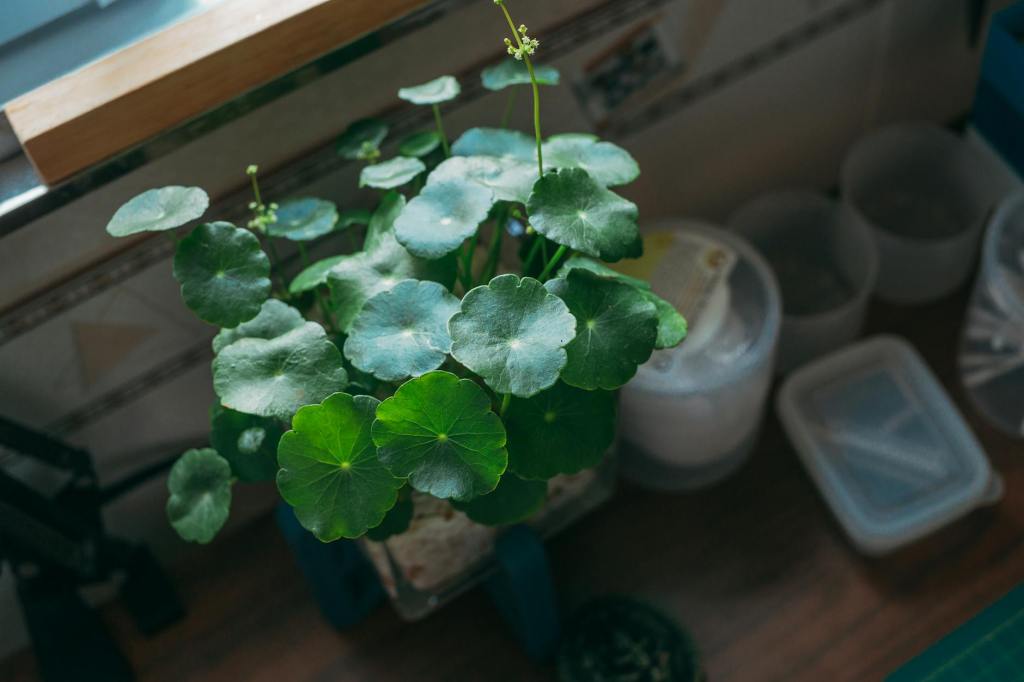
    Episode 5: Centella Asiatica – The Asian Botanical That Rebuilds Skin from the Inside Out
    Episode 6: The Ocean’s Secret – Marine Botanicals and Minerals for Long-Term Skin Vitality
    Episode 7: The Future of Anti-Aging – Adaptogens, Epigenetics & Sustainable Innovation 

    Why Marine Plants Deserve More Respect in Skincare

    For centuries, we’ve turned to land-based botanicals—green tea, centella, ginseng—for youth and radiance.
    But beneath the surface of the sea, another class of anti-aging heroes has been quietly thriving:
    → Marine algae, seaweeds, and mineral-rich sea waters.

    These organisms survive extreme conditions: high salinity, UV exposure, pressure, oxidation—
    exactly the same stressors that cause human skin to age.

    Nature, as always, adapts.
    And what marine plants have evolved to protect themselves… can now protect your skin.

    The Science Behind Marine Anti-Aging Power
    🌱 Key Bioactivities of Marine Plants:
    • High antioxidant content (phlorotannins, carotenoids, fucoxanthin)
    • Anti-collagenase & anti-elastase activity
    • Enhanced hydration via marine polysaccharides
    • Rich in minerals like magnesium, selenium, and iodine
    • Skin microbiome balancing via prebiotic action

    Marine ingredients often outperform their terrestrial counterparts in protecting the skin from:

    • Oxidative stress
    • Inflammation
    • Environmental damage (pollution, UV, urban stress)

    🌿 5 Marine Ingredients That Transform Skin Health
    1. Laminaria digitata (Brown Seaweed)
    • Rich in alginates and iodine
    • Promotes detoxification and remineralization
    • Protects against pollution and photoaging
    2. Undaria pinnatifida (Wakame)
    • Contains fucoidan, a polysaccharide with strong anti-inflammatory properties
    • Inhibits MMPs that break down collagen
    • Promotes elasticity and skin firmness
    3. Chlorella vulgaris (Microalgae)
    • High in peptides, amino acids, and vitamins
    • Boosts collagen synthesis
    • Reduces redness and improves skin tone
    4. Spirulina platensis (Blue-Green Algae)
    • Antioxidant powerhouse (phycocyanin, chlorophyll)
    • Enhances skin vitality and moisture retention
    • Often used in inner beauty drinks and detox blends
    5. Seawater Minerals & Marine Plasma
    • Magnesium, potassium, calcium = skin balancing
    • Helps maintain osmotic balance
    • Used in therapeutic spa waters (thalassotherapy)

    💡 Inner Beauty Tip: Marine Collagen + Algae

    Marine collagen, when paired with Chlorella or Spirulina, creates a synergistic blend for:

    • Improved skin density
    • Anti-glycation defense
    • Nail and hair strength

    Daily intake through marine-based nutricosmetics can enhance dermal thickness from within.

    🧴 Product Application

    Look for ingredients like:

    • Algae extract, seaweed ferment, maris aqua, lithothamnion extract
    • Marine collagen peptides, phlorotannin-rich fractions, fucoidan

    Common in:

    • Deep hydration essences
    • Anti-pollution moisturizers
    • Rejuvenating sleep masks

    “The ocean is not only where life began—it’s where your skin can begin again.”
    Marine botanicals and minerals remind us that resilience is regenerative.

    And sometimes, the secret to longevity isn’t on land—it’s flowing in the tides.

    Coming Next :

    The Future of Anti-Aging – Adaptogens, Epigenetics & Sustainable Innovation 

  • Centella Asiatica – The Asian Botanical That Rebuilds Skin from the Inside Out

    Some plants protect your skin. This one rebuilds it.

    The Skin Needs More Than Protection — It Needs Repair

    After years in the skincare lab, I’ve realized something:
    Antioxidants and sunscreen can slow aging, but true skin rejuvenation? That takes active regeneration.

    When your skin has been:

    • Damaged by UV
    • Thinned due to age or hormonal shifts
    • Inflamed due to stress or sensitivity

    You don’t just need protection.
    You need a botanical that tells the skin: “It’s time to heal.”

    Meet Centella Asiatica: The Wound-Healer Turned Skincare Star

    Known as “Tiger Grass” (because tigers roll in it to heal wounds), Centella Asiatica has been used in traditional medicine for centuries in Asia, especially in Ayurveda and Traditional Chinese Medicine.

    But now?
    Modern research confirms it as a top-tier active ingredient in regenerative skincare.

    How It Works: The Science of Centella

    The real power of Centella lies in its triterpenoids, especially:

    • Madecassoside
    • Asiaticoside
    • Asiatic acid
    • Madecassic acid

    These compounds:

    • Boost collagen synthesis (Type I & III)
    • Enhance fibroblast activity (the skin’s repair cells)
    • Strengthen the skin barrier
    • Calm inflammation
    • Promote angiogenesis (blood vessel formation for better nutrient flow)
    Real Anti-Aging Effects

    In clinical studies, topical Centella:

    • Reduced wrinkle depth
    • Improved skin firmness
    • Enhanced hydration retention
    • Calmed redness and reactive skin

    A 2019 study in Journal of Clinical and Aesthetic Dermatology found that a madecassoside-rich cream improved elasticity and reduced signs of aging in women over 45 after just 6 weeks.

    🧴 Topical Use in Skincare

    Look for these INCI names on product labels:

    • Centella Asiatica Extract
    • Madecassoside
    • Asiaticoside

    Pair well with:

    • Niacinamide → for brightening & inflammation control
    • Ceramides → for barrier repair
    • Peptides → for firming & collagen synergy

    💊 Inner Beauty Potential

    While not as common as topical use, Centella is also used in inner beauty formats in Korea:

    • Functional teas
    • Capsules combined with collagen or adaptogens
    • Gut-skin axis support products (anti-inflammatory)

    Its anti-inflammatory and circulatory effects can enhance skin clarity and overall tone from within.

    💡 DIY Recipe: Centella Skin Recovery Mist

    Ingredients:

    • 50ml Centella Asiatica hydrosol (or extract-infused green tea)
    • 1 tsp aloe vera juice
    • 2 drops lavender essential oil
    • Optional: 1 drop madecassoside ampoule

    Shake well and spray onto clean skin before use.


    Formulator’s Tip

    Centella works best when:

    • Extracted via low-temp, high-pressure extraction (to preserve triterpenes)
    • Formulated at 0.5–1.0% madecassoside for proven clinical effects
    • Used in emulsions or gel creams, not just watery toners

    Some botanicals soothe, some protect—
    But Centella rebuilds.

    Whether it’s from sun, stress, or time itself, your skin deserves not just a shield… but a second chance.
    And nature has given us the perfect guide.


    Coming Next :

    The Ocean’s Secret – Marine Botanicals and Minerals for Long-Term Skin Vitality

    🌿 This post is part of the “Nature’s Timeless Secrets” anti-aging series.
    Episode 1: The Science of Aging and the Power of Botanicals
    Episode 2: The Power of Polyphenols – Nature’s Top Antioxidants for Youthful Skin
    Episode 3: Phytoestrogens and Skin – Nature’s Hormone Helpers for Firmness and Radiance
    Episode 4: Inflammaging & Turmeric – Calming Skin Aging from the Inside Out
    Episode 5: Centella Asiatica – The Asian Botanical That Rebuilds Skin from the Inside Out
    Episode 6: The Ocean’s Secret – Marine Botanicals and Minerals for Long-Term Skin Vitality
    Episode 7: The Future of Anti-Aging – Adaptogens, Epigenetics & Sustainable Innovation 

  • Inflammaging & Turmeric – Calming Skin Aging from the Inside Out

    When inflammation goes quiet, your skin starts glowing again.

    Why Is Your Skin Aging Even When You’re Doing Everything Right?

    Let me tell you a secret that many people—even skincare enthusiasts—often miss:
    You could be doing everything right on the surface:

    • Gentle cleansing
    • Serums packed with antioxidants
    • SPF every day

    …but if your body is quietly inflamed on the inside, your skin will still age faster.

    This slow, smoldering inflammation is called inflammaging—and it’s one of the most underestimated causes of skin sagging, redness, dullness, and loss of firmness.

    What Is Inflammaging?

    “Inflammaging” is a term used in anti-aging science to describe chronic low-grade inflammation that increases with age.

    It silently damages your:

    • Collagen matrix
    • Cellular energy production (mitochondria)
    • Skin’s ability to repair itself
    • And even your microbiome balance

    Inflammaging is linked to:

    • Gut imbalance
    • Processed sugar and refined carbs
    • Overexposure to pollution or stress
    • Lack of antioxidants and anti-inflammatory nutrients
    Turmeric & Curcumin: Nature’s Most Powerful Anti-Inflammatory Spice

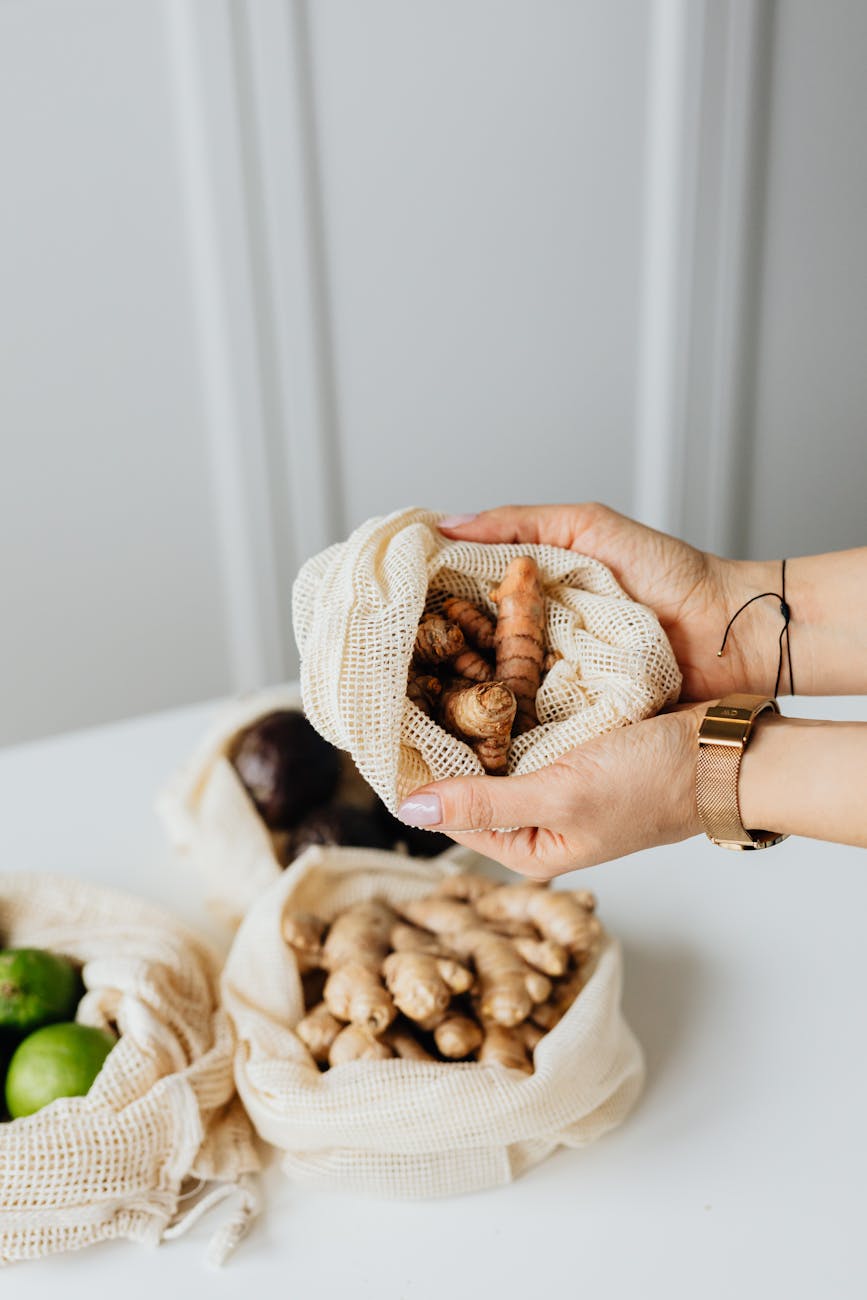
    Turmeric, the golden root used in Ayurveda and Asian medicine for thousands of years, is now one of the most scientifically validated natural ingredients for both skin and systemic inflammation.

    Its main active compound is curcumin, which:

    • Inhibits NF-κB, a major inflammatory pathway (remember Episode 1?)
    • Reduces COX-2 and cytokines (IL-6, TNF-α)
    • Supports antioxidant defense indirectly by activating Nrf2 pathway

    What Curcumin Can Do for Your Skin

    Topical Benefits:
    • Reduces redness and acne-related inflammation
    • Speeds up wound healing
    • Calms eczema and psoriasis flare-ups
    • Brightens hyperpigmentation
    Internal Benefits (Inner Beauty):
    • Protects collagen and elastin from breakdown
    • Reduces glycation-related skin stiffness
    • Promotes overall skin clarity and tone
    • May help with hormonal balance (when paired with black pepper or healthy fats for absorption)
    What the Research Says

    A 2020 study in Frontiers in Pharmacology showed that oral curcumin supplementation for 8 weeks reduced skin dryness, redness, and increased smoothness in women aged 40–60.
    Topical nano-formulated curcumin was also shown to reduce UVB-induced skin damage and inhibit MMPs (collagen-destroying enzymes).


    💡 My “Inflammaging Reset” Golden Latte ☕

    Daily anti-aging, anti-inflammatory self-care ritual

    Ingredients:

    • ½ tsp organic turmeric powder
    • 1 tsp collagen peptides or marine collagen
    • 1 pinch black pepper (boosts curcumin absorption)
    • ½ tsp coconut oil or MCT oil
    • 200ml unsweetened almond or oat milk

    Warm gently, blend with a frother, and sip mindfully.

    🧴 Skincare Tip:

    Look for nano-curcumin, tetrahydrocurcumin, or curcuma longa extract in anti-redness serums and brightening masks.

    Pair with niacinamide or licorice root extract for synergistic effects.


    Aging isn’t just about time—it’s about inflammation.
    And when you calm inflammation from both inside and out, skin starts to regenerate… naturally.

    Turmeric doesn’t just spice up your food—it softens your aging.


    Coming Next :

    Centella Asiatica – The Asian Botanical That Rebuilds Skin from the Inside Out

    🌿 This post is part of the “Nature’s Timeless Secrets” anti-aging series.
    Episode 1: The Science of Aging and the Power of Botanicals
    Episode 2: The Power of Polyphenols – Nature’s Top Antioxidants for Youthful Skin
    Episode 3: Phytoestrogens and Skin – Nature’s Hormone Helpers for Firmness and Radiance
    Episode 4: Inflammaging & Turmeric – Calming Skin Aging from the Inside Out
    Episode 5: Centella Asiatica – The Asian Botanical That Rebuilds Skin from the Inside Out
    Episode 6: The Ocean’s Secret – Marine Botanicals and Minerals for Long-Term Skin Vitality
    Episode 7: The Future of Anti-Aging – Adaptogens, Epigenetics & Sustainable Innovation 

    © 2025 Wellnavia. All rights reserved.
    Unauthorized copying or reproduction of this content is prohibited under international copyright law.

  • Phytoestrogens and Skin – Nature’s Hormone Helpers for Firmness and Radiance

    As hormones fade, so does skin vitality. But nature has a plan.

    Your skin isn’t just aging on the outside. Here’s how plants can help from the inside out.

    Women in their 40s and 50s walk in, not because of new wrinkles, but because of something deeper:

    • Thinning skin
    • Loss of volume
    • Sagging where there used to be firmness
    • That “tired” look, even with perfect sleep

    And do you know what’s often behind it?

    A natural drop in estrogen levels—a key hormonal shift that impacts skin structure, moisture, and regeneration.
    Estrogen isn’t just about reproduction. It’s deeply involved in:

    • Collagen synthesis
    • Hyaluronic acid production
    • Skin thickness and elasticity
    • Antioxidant defense
    Enter Phytoestrogens: Nature’s Gentle Mimics

    Phytoestrogens are plant-based compounds that look like estrogen to our cells.
    They’re not hormones, but they gently bind to estrogen receptors, giving the skin a subtle nudge to behave as it did in younger years.

    The magic?
    → Balancing skin without the risks of synthetic HRT.

    Top Phytoestrogen-Rich Plants for Skin and Inner Beauty
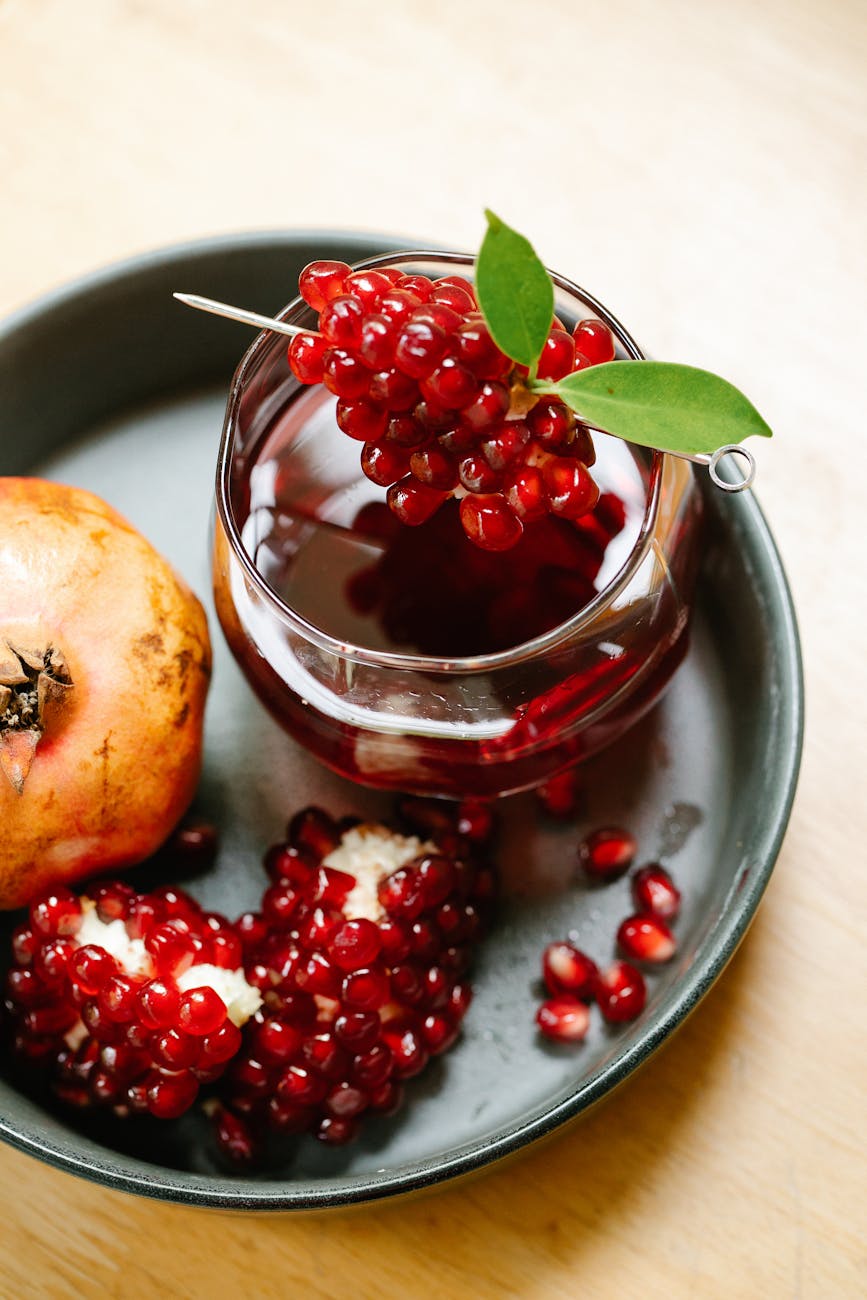
    Pomegranate (Ellagic Acid & Phytoestrogens)
    • Stimulates collagen and elastin production
    • Reduces oxidative stress and photoaging
    • Used in both topicals and oral supplements
    Red Clover (Isoflavones)
    • Popular in menopausal support
    • Helps improve skin hydration and smoothness
    • Used in creams and nutricosmetics
    Soy (Genistein & Daidzein)
    • One of the most researched phytoestrogens
    • Improves skin elasticity, reduces wrinkles
    • Available as skincare actives and dietary powders
    Dong Quai (Angelica sinensis)
    • Known as “female ginseng” in traditional Chinese medicine
    • Supports circulation and hormonal balance
    • Appears in beauty tonics and adaptogenic blends
    Flaxseed (Lignans)
    • High in omega-3 and estrogenic activity
    • Improves skin texture from within
    • Easy to add to smoothies or skin supplements

    Key ingredients that pair well with phytoestrogens:

    • Hyaluronic acid (low molecular weight) – boosts skin hydration
    • Astaxanthin – a powerful antioxidant from marine algae
    • Coenzyme Q10 – supports mitochondrial function (energy = regeneration)
    • Collagen peptides – rebuild skin’s scaffolding from within
    Inner Beauty: Where the Real Change Begins

    “If you only treat your skin from the outside, you’re doing half the job.”

    Nutricosmetics—beauty supplements designed to support skin from within—are becoming essential in the anti-aging toolbox.

    What Science Says:

    Multiple studies, including a 2022 review in Nutrients, confirm that:

    • Oral phytoestrogens improve skin elasticity, thickness, and hydration
    • Benefits are especially strong in postmenopausal women
    • Effects are seen in both oral supplementation and topical application, especially when combined
    💡 DIY Beauty from Within: My Anti-Aging Skin Latte ☕

    Mix the following:

    • 1 tsp flaxseed powder
    • ½ tsp pomegranate extract powder
    • 200ml soy or oat milk
    • Dash of cinnamon (for blood flow)
      → Blend & warm. Glowing skin in a cup.

    Beauty is not just what you put on your skin—it’s what you nourish within.
    With phytoestrogens and inner beauty nutrients, you’re not just fighting age—you’re supporting balance.


    Coming Next :

    “Turmeric & Anti-Inflammaging – The Role of Curcumin in Calming Skin Aging from the Inside Out”

    🌿 This post is part of the “Nature’s Timeless Secrets” anti-aging series.
    Episode 1: The Science of Aging and the Power of Botanicals
    Episode 2: The Power of Polyphenols – Nature’s Top Antioxidants for Youthful Skin
    Episode 3: Phytoestrogens and Skin – Nature’s Hormone Helpers for Firmness and Radiance
    Episode 4: Inflammaging & Turmeric – Calming Skin Aging from the Inside Out
    Episode 5: Centella Asiatica – The Asian Botanical That Rebuilds Skin from the Inside Out
    Episode 6: The Ocean’s Secret – Marine Botanicals and Minerals for Long-Term Skin Vitality
    Episode 7: The Future of Anti-Aging – Adaptogens, Epigenetics & Sustainable Innovation 

  • The Power of Polyphenols – Nature’s Top Antioxidants for Youthful Skin

    Aging begins with oxidation. But nature knew the antidote all along.

    Let Me Tell You a Secret…

    If I told you that the key to preserving youthful skin lies in a bowl of blueberries or a sip of green tea, would you believe me?

    As a skin-aging researcher for over 20 years—and a cosmetic science PhD—I’ve seen hundreds of synthetic ingredients come and go. But one group of natural compounds continues to stand the test of time: polyphenols.

    The Aging Culprit: Oxidative Stress

    Let’s revisit the science we began in Episode 1.

    When your skin is exposed to UV rays, pollution, or stress, your body produces Reactive Oxygen Species (ROS)—those nasty little free radicals that:

    • Break down collagen and elastin
    • Damage DNA
    • Accelerate inflammation and pigmentation

    This biochemical chaos is called oxidative stress, and it’s one of the most powerful drivers of premature aging.

    But nature is clever.
    It gave plants an in-built survival system—polyphenols—to protect against exactly that kind of oxidative damage. And guess what? These same compounds can protect your skin too.

    What Are Polyphenols?

    Polyphenols are a large family of naturally occurring compounds found in berries, teas, herbs, seeds, and even cacao. They’re what give plants their vibrant colors and bitter, astringent taste—but in your skin, they:

    • Neutralize ROS
    • Prevent collagen degradation
    • Soothe inflammation
    • Enhance skin barrier repair
    Top Polyphenol-Rich Plants in Skincare
    🍇 Grapes (Resveratrol & Proanthocyanidins)

    Known as the “longevity molecule,” resveratrol activates sirtuins—enzymes linked to DNA repair and skin resilience.
    You’ll find it in red wine, grape skin, and high-end anti-aging serums.

    🍵 Green Tea (EGCG)

    EGCG isn’t just calming to drink—on your skin, it:

    • Reduces UV-induced redness
    • Minimizes oxidative damage
    • Controls sebum and breakouts
    🫐 Blueberries (Anthocyanins)

    Tiny, but mighty! Blueberries are packed with anthocyanins that:

    • Protect skin from photoaging
    • Reduce signs of fatigue
    • Improve microcirculation
    🌿 Rosemary (Rosmarinic Acid)

    Traditionally used for memory and purification, its antioxidant capacity is now tapped in modern skincare to:

    • Calm reactive skin
    • Defend against pollution
    • Extend product shelf life naturally
    🍫 Cacao (Flavanols)

    Yes, chocolate lovers rejoice—flavanols increase skin hydration and smoothness. No guilt, just glow.

    Science Says…

    A 2021 clinical review in Phytotherapy Research showed that topical polyphenols significantly reduced wrinkle depth and increased skin elasticity within 6–8 weeks.

    Mechanistically, they:

    • Inhibit MMPs (matrix metalloproteinases – the enzymes that break down collagen)
    • Scavenge ROS before they damage your cells
    • Support cellular longevity by preserving mitochondrial health
    DIY Tip: Antioxidant Skin Tonic

    Try this simple recipe at home:

    • 1/2 cup cooled green tea (rich in EGCG)
    • 2 tbsp rosewater
      → Store in a mist bottle. Spray in the morning or post-sun exposure for a calm, antioxidant refresh.
    How to Choose the Right Products

    Look for ingredients like:

    • Camellia sinensis (green tea extract)
    • Vitis vinifera (grape seed extract)
    • Vaccinium species (blueberry extract)
    • Cacao extract
    • Rosmarinus officinalis (rosemary extract)

    And always choose cold-pressed or CO2-extracted oils and essences for maximum polyphenol preservation.

    Nature doesn’t fight time. It works with it.
    And polyphenols are its gentle warriors—protecting your skin from within, day after day.

    Stay close to plants, and your skin will thank you. 🌿


    Coming Next :

    Phytoestrogens and Skin – Nature’s Hormone Helpers for Firmness and Radiance

    🌿 This post is part of the “Nature’s Timeless Secrets” anti-aging series.
    Episode 1: The Science of Aging and the Power of Botanicals
    Episode 2: The Power of Polyphenols – Nature’s Top Antioxidants for Youthful Skin
    Episode 3: Phytoestrogens and Skin – Nature’s Hormone Helpers for Firmness and Radiance
    Episode 4: Inflammaging & Turmeric – Calming Skin Aging from the Inside Out
    Episode 5: Centella Asiatica – The Asian Botanical That Rebuilds Skin from the Inside Out
    Episode 6: The Ocean’s Secret – Marine Botanicals and Minerals for Long-Term Skin Vitality
    Episode 7: The Future of Anti-Aging – Adaptogens, Epigenetics & Sustainable Innovation 

  • The Science of Aging and the Power of Botanicals

    Discover how aging works—and how nature may hold the key to reversing time.

    What Really Causes Aging?

    We often think of aging as something inevitable. Wrinkles, fine lines, sagging skin—it all just happens, right?
    But here’s the truth: aging is a biological process, and once we understand what drives it, we can slow it down—or even reverse some signs.

    Let’s break it down:

    1. Oxidative Stress: The “Rusting” Effect

    Just like iron rusts when exposed to oxygen, our cells undergo oxidative damage over time. This is caused by free radicals—unstable molecules that damage collagen, elastin, and even DNA.

    Botanical antidote?
    Polyphenols (like those found in green tea and blueberries) neutralize these free radicals and protect skin from oxidative stress.

    2. Inflammation: The Silent Skin Agitator

    Chronic low-level inflammation—sometimes called “inflammaging”—destroys skin structure slowly but surely.

    Botanical ally?
    Curcumin (from turmeric) and rosmarinic acid (from rosemary) are natural anti-inflammatories that calm this process beautifully.

    3. Collagen Breakdown

    As we age, our bodies make less collagen, the protein that keeps skin plump and elastic. Enzymes like MMPs (matrix metalloproteinases) speed up this breakdown.

    Nature’s response?
    Centella asiatica (aka Gotu Kola) is clinically proven to stimulate collagen synthesis and repair skin tissue.

    What is Botanical Medicine, Really?

    Botanical medicine—or phytotherapy—is the practice of using plant-based extracts for healing. But it’s not just folk wisdom.
    Modern science confirms what ancient healers knew: plants are chemical powerhouses, rich in antioxidants, anti-inflammatory agents, and skin-regenerative compounds.

    From Egyptian myrrh balms to Korean ginseng tonics, nearly every ancient culture used plants to preserve youth and vitality.

    Now, with advances in cosmetic science, we can extract, isolate, and combine these compounds with precision. That’s the exciting bridge between nature and modern anti-aging skincare.

    So, Can Nature Actually Turn Back Time?

    It might sound like a fantasy—but clinical research is catching up.
    Studies show that certain plant compounds not only prevent signs of aging but can also reverse early damage by stimulating collagen production, improving skin hydration, and reducing pigmentation.

    Nature doesn’t promise miracles overnight. But over time, it gently nudges your skin toward balance, resilience, and radiance.


    Coming Next:

    Stay tuned for Episode 2: “The Power of Polyphenols: Nature’s Top Antioxidants for Youthful Skin”

    Aging is inevitable. But how we age? That’s where nature—and knowledge—come in.

    If you’re curious about how to age beautifully with nature’s help, this series is for you.
    Follow along, subscribe, and unlock the timeless secrets nature has been keeping.

    🌿 This post is part of the “Nature’s Timeless Secrets” anti-aging series.
    Episode 1: The Science of Aging and the Power of Botanicals
    Episode 2: The Power of Polyphenols – Nature’s Top Antioxidants for Youthful Skin
    Episode 3: Phytoestrogens and Skin – Nature’s Hormone Helpers for Firmness and Radiance
    Episode 4: Inflammaging & Turmeric – Calming Skin Aging from the Inside Out
    Episode 5: Centella Asiatica – The Asian Botanical That Rebuilds Skin from the Inside Out
    Episode 6: The Ocean’s Secret – Marine Botanicals and Minerals for Long-Term Skin Vitality
    Episode 7: The Future of Anti-Aging – Adaptogens, Epigenetics & Sustainable Innovation 

  • The Legacy of Kyphi: Culture, Memory, and the Future of Sacred Scents

    Chronicles of Scent in Antiquity – Final Installment

    “Fragrance has no shape, yet we remember time and awaken emotions through its breath.”

    Kyphi Is Not a Forgotten Scent

    Throughout this series, we’ve traced the sacred trail of Kyphi—from its ancient temple origins to modern reconstructions, its medicinal virtues to its spiritual uses.
    But one final question remains:

    Is Kyphi merely a relic of the past?
    Or could it still be relevant—breathing—in our modern world?

    The answer, much like scent itself, lingers in the air.

    A Cultural Fragrance Beyond Egypt

    Kyphi was more than a ritual incense; it was a cultural statement.
    Its use extended beyond Egypt into Hellenistic and Roman religious practices, where it inspired philosophies of spiritual cleansing and sensory transformation.
    Plutarch himself praised Kyphi for its ability to “brighten dreams and soothe the soul.”

    It was never just about smoke—it was about a way of being:
    gathering natural ingredients, preparing them with care, and using scent as a tool to align with oneself, with the gods, and with time itself.

    Scent in Art, and the Art of Memory

    Scent is invisible, yet unforgettable.
    Unlike visual art or sculpture, it leaves no trace, but instead lives in memory.

    Kyphi, in its richness and depth, is an olfactory metaphor for memory itself.
    A whiff of something sweet and resinous can suddenly carry us back to childhood, a forgotten ritual, or an emotion we didn’t know we had buried.

    In ancient Egypt, Kyphi wasn’t just burned to honor the gods—it was used to keep souls remembered, echoing the belief that to be remembered is to live forever.

    Kyphi Reimagined: Sacred Scents in Modern Life

    Today, Kyphi lives on in surprising and beautiful ways:

    • In meditation rooms and yoga studios, burned before stillness and silence
    • Reimagined in niche perfumes under names like “Sacred Resins” or “Temple Smoke”
    • Incorporated into digital wellness platforms for emotional balancing
    • Used in art therapy and grief healing ceremonies
    • Offered in modern ancestral rituals, where scent replaces spoken prayers

    Some modern perfumers and therapists even design Kyphi-inspired formulas as “fragrant mindcare tools,” merging ancient intent with modern wellness science.

    Kyphi and the Question of Sustainability

    Most of Kyphi’s ingredients—frankincense, myrrh, cinnamon—are precious botanicals, often sourced from regions facing climate stress and overharvesting.

    Reviving Kyphi today invites us to reflect not only on ancient ritual, but on ethical sourcing, botanical conservation, and sustainable fragrance practices.

    Kyphi was born from nature, shaped by human hands, and offered to the divine.
    Perhaps its truest legacy is reminding us that healing begins with harmony—with the earth, the body, and the spirit.

    A Scent That Still Breathes

    Kyphi is not lost.
    It’s a living echo—of ancient hands grinding herbs, of sacred fire illuminating stone walls, of memory drifting gently through the air.

    And perhaps… when you light a piece of incense tonight,
    a priest from 3,000 years ago did the same—beneath the same sky, with the same quiet intention.

    References
    • Plutarch, On Isis and Osiris
    • Lise Manniche, Sacred Luxuries
    • Manniche & Allen, Kyphi: The Sacred Perfume of Ancient Egypt
    • UNESCO Fragrance & Intangible Heritage Reports
    • Journal of Cultural Heritage (2022), “Fragrance, Memory, and Identity”

  • Incense & Medicine: The Healing Role of Kyphi in Ancient Egypt

    Part 4 of the “Chronicles of Scent in Antiquity” Series

    “The temple is filled with its fragrance; the body is cleansed, and the spirit calmed.”
    Inspired by the Ebers Papyrus (c. 1550 BCE)

    Fragrance Beyond Ritual

    When we think of incense in the ancient world, we often imagine temples, priests, and offerings to gods. But in ancient Egypt, incense was not only sacred—it was medicinal.
    Among all the compounds used, none carried such dual spiritual and therapeutic significance as Kyphi.

    Far from being a mere ceremonial perfume, Kyphi was prescribed for insomnia, anxiety, respiratory issues, and digestive problems.
    It was one of the earliest examples of what we might now call aromatic medicine—a forerunner to modern aromatherapy.

    Evidence from the Ebers Papyrus

    The Ebers Papyrus, a medical text dating back to c. 1550 BCE, contains over 700 remedies and prescriptions, many involving fragrant herbs, resins, and oils.
    Kyphi is referenced in relation to:

    • Calming the mind before sleep
    • Cleansing the lungs and breath
    • Purifying the internal organs through inhalation
    • Promoting dreams and spiritual clarity

    One translated passage (paraphrased for clarity) suggests:

    “Let the patient inhale the compounded incense in the evening, to ease pain of the belly and mind, and to sleep without trouble.”

    This aligns with later Greek accounts from Plutarch, who wrote that Kyphi “induces sleep, allays anxieties, and brightens dreams.”

    What Made Kyphi Medicinal?

    Many of Kyphi’s ingredients are known today for their therapeutic properties:

    IngredientModern Medicinal Properties
    FrankincenseAnti-inflammatory, calming, respiratory support
    MyrrhAntiseptic, wound healing, antimicrobial
    CinnamonDigestive aid, warming, antibacterial
    CardamomAntispasmodic, supports digestion
    Calamus rootMild sedative, promotes calm
    Raisins and wineFermentation aids, mild laxative effect
    HoneySoothing, preservative, antimicrobial

    Combined and fermented, these substances not only smelled divine, but were biologically active when inhaled or absorbed through mucous membranes.

    Kyphi as a Psychospiritual Remedy

    What makes Kyphi unique is that it healed both body and soul.
    In temple contexts, it was used in rituals of psychic purification—helping priests and initiates reach altered states of awareness. In the home, it may have been used in personal devotional or healing rituals to relieve stress and emotional imbalance.

    There’s growing evidence that olfactory stimulation (smell) has a profound effect on the limbic system, the emotional center of the brain. Ancient Egyptians likely didn’t understand this neuroscience, but they understood its effects.

    They burned Kyphi not just to worship the gods—but to restore balance within themselves.

    Modern Reflections: Aromatherapy’s Deep Roots

    Today, Kyphi is being revisited by researchers in ethnopharmacology, and its formulation has inspired a resurgence in ritual aromatherapy.
    Its careful balance of resins, spices, and sweet binders makes it unique among ancient incense blends.

    Some perfumers even refer to Kyphi as “the earliest adaptogenic fragrance”, meaning it adapts to support both the body’s stress response and the mind’s emotional state.

    A Medicine of Fragrance and Faith

    In a time before antibiotics, before psychological therapy, and before synthetic drugs, the ancient Egyptians turned to fragrance—natural, complex, and sacred—as a primary method of healing.

    Kyphi reminds us that wellness in antiquity was holistic: to heal the body, one must also attend to the soul.

    Coming Up Next:
    Part 5 – “The Legacy of Kyphi: Culture, Memory, and the Future of Sacred Scents


    References
    • Ebers Papyrus, c. 1550 BCE – Translations by Paul Ghalioungui and others
    • Plutarch, On Isis and Osiris
    • Lise Manniche, Sacred Luxuries: Fragrance, Aromatherapy, and Cosmetics in Ancient Egypt
    • Journal of Ethnopharmacology (2018)“Kyphi: Reconstruction and Pharmacological Evaluation”
    • David, Rosalie, Ancient Egyptian Medicine, British Museum Press

  • Part 3 of the “Chronicles of Scent in Antiquity” Series

    “We do not simply make a perfume. We resurrect a prayer in the language of scent.”
    — A modern Kyphi perfumer

    The Challenge of Reconstructing a Fragrance from Antiquity

    Recreating a fragrance that hasn’t been burned for over 1,500 years is no small task. Kyphi, the sacred incense of ancient Egyptian temples, disappeared after the rise of Christianity and the fall of pharaonic priesthoods.

    What survived were fragmented recipes—from Plutarch, Dioscorides, and Egyptian temple texts—but these lacked exact proportions, preparation methods, or full ingredient lists. Despite this, a new generation of experimental archaeologists, historians, and niche perfumers have taken on the ambitious task of reviving Kyphi—not as a commercial product, but as a cultural, sensory, and spiritual resurrection.

    Modern Kyphi: A Spiritual Revival of Ancient Egyptian Incense – Explore the mystical fusion of ritual fragrance and contemporary perfumery with natural ingredients like frankincense, myrrh, and honey, inspired by sacred Egyptian traditions.

    The Sources: Piecing Together the Ancient Formula

    Most reconstructions draw from three primary sources:

    1. Plutarch’s “On Isis and Osiris” – Describes 16 ingredients used in Kyphi, with symbolic functions.
    2. Dioscorides’ “De Materia Medica” – Lists herbs and resins with medicinal properties, believed to be Kyphi components.
    3. Papyrus Ebers and Temple Inscriptions – Mention the use of honey, wine, raisins, frankincense, and myrrh.

    Researchers also turned to archaeobotanical analysis, using residue traces found in ancient burners and containers (notably at Edfu and Saqqara). While exact formulas vary, a consensus has emerged around core components.

    The Modern Kyphi Palette: What’s In It?

    Reconstructed Kyphi blends usually include:

    • Frankincense (Boswellia spp.)
    • Myrrh (Commiphora myrrha)
    • Cinnamon (Cinnamomum verum or cassia)
    • Calamus root, Cardamom, Galbanum
    • Juniper berries, Cyperus (nut grass)
    • Raisins, Dates, Honey, Red wine

    Most perfumers macerate the ingredients in wine for several days, slowly grinding the resins and herbs into a paste, blending with honey, and letting the mixture ferment and age for weeks before forming into pellets.
    This is not perfumery—it is ritual craftsmanship.

    Who’s Making Kyphi Today?

    Several small-batch artisans and scholarly groups are leading the revival:

    • Mandragora Magika (France) – Collaborates with Egyptologists to create historically informed incense.
    • Lise Manniche’s protégés – Inspired by the author of Sacred Luxuries, they recreate formulas for museum workshops.
    • Perfumer Katharine Dowson (UK) – Focuses on the meditative and ritual aspects of Kyphi, offering it in spiritual spaces.

    Some projects are conducted under academic settings, such as University of Kent’s historical scent lab, where formulas are tested against olfactory DNA and archaeological residues.

    Not Just a Scent—A Spiritual Experience

    Users of modern Kyphi often report:

    “It feels like the air thickens with memory.”
    “I don’t just smell it—I enter into it.”

    This is no surprise. Ancient Kyphi was burned not for pleasure, but to sanctify time and space, to open the senses, and to guide the spirit. Modern recreations honor that same purpose—used in yoga rituals, meditation, ancestral remembrance, and slow ceremonial burning.

    Is It Truly Authentic?

    While we cannot claim a “perfect” replica of ancient Kyphi, current reconstructions are faithful to historical intent and substance. The symbolic meaning, preparation method, and olfactory layering are all designed to reflect what ancient Egyptians might have experienced.

    In many ways, Kyphi today is not a reproduction—it is a dialogue. A sensory bridge across 3,000 years.

    Coming Next:
    Part 4 – Incense & Medicine: The Healing Role of Kyphi in Ancient Egypt


    References and Source Materials

    • Plutarch, On Isis and Osiris, Loeb Classical Library
    • Dioscorides, De Materia Medica, 1st Century CE
    • Lise Manniche, Sacred Luxuries, Cornell University Press
    • Journal of Ethnopharmacology, “Kyphi: Experimental Reconstruction” (2018)
    • Edfu Temple reliefs, residue analyses at Saqqara
    • University of Kent Historical Perfumery Lab Reports (2021–2023)